The Expected Things To Experience In Raja Ampat

Written by Raymond
Raja Ampat Tour Guide

Diving & Snorkeling
Raja Ampat is renowned as one of the world’s top diving and snorkeling destinations. The area boasts over 1,500 species of fish and more than 600 species of coral, making it a biodiversity hotspot.
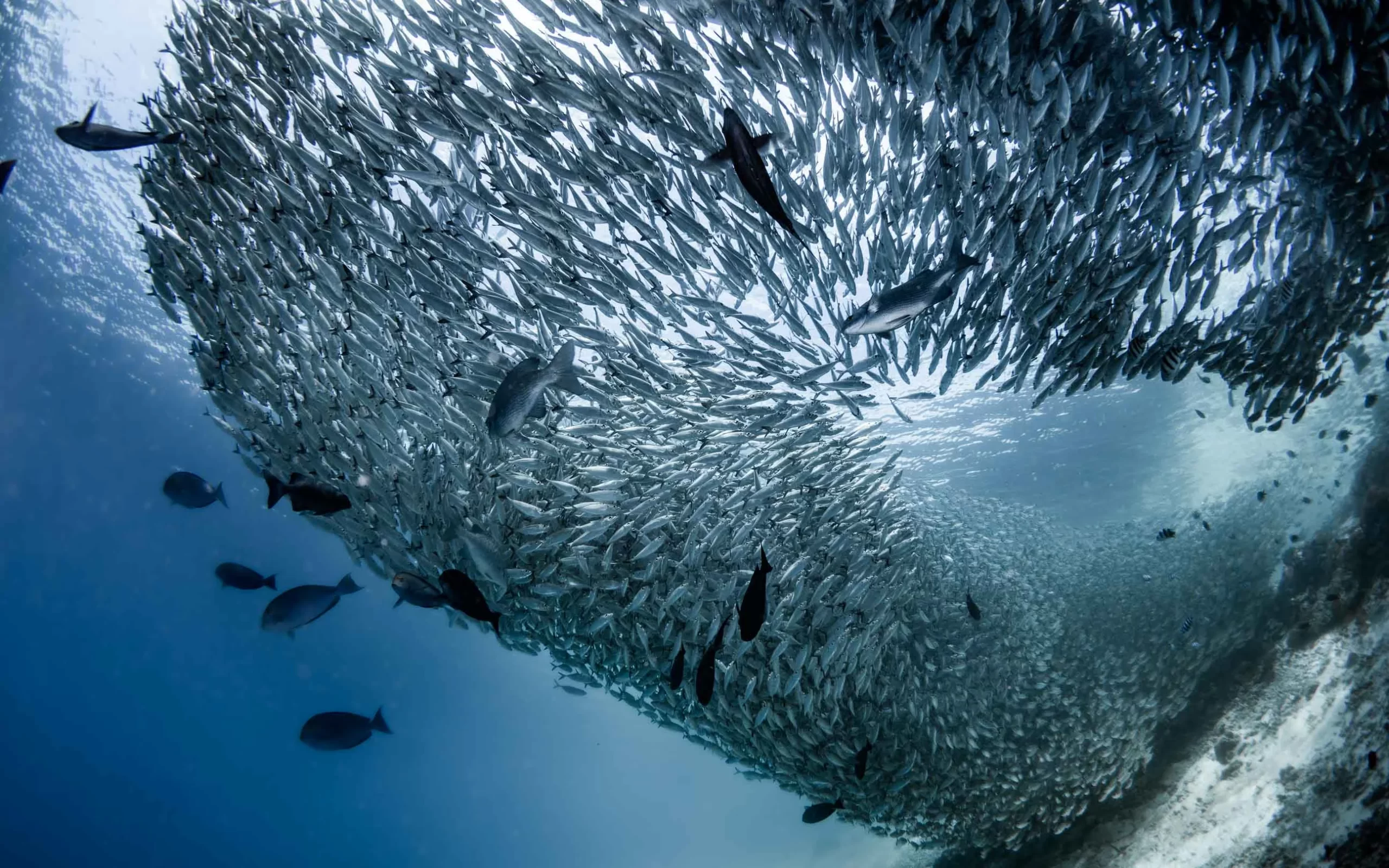
Diving here offers incredible visibility, often ranging from 20 to 50 meters, and you’ll encounter everything from vibrant coral gardens and steep walls to fascinating macro life and even large pelagic species like manta rays and sharks.
For snorkeling, the shallow reefs are equally stunning, with colorful fish, sea turtles, and even the occasional dugong. Many of the islands have easily accessible snorkeling spots right off the beaches.
Plus, there are liveaboard trips that let you explore multiple dive sites over several days, giving you the best chance to see the diversity that Raja Ampat has to offer. It’s definitely a paradise for underwater enthusiasts!
Island Hoping
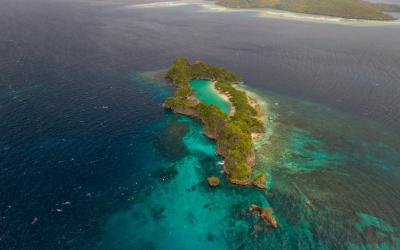
Island hopping in Raja Ampat is a fantastic experience. The archipelago consists of over 1,500 islands, and each one has its own unique charm. You can visit islands like Misool, known for its stunning lagoons and ancient rock art, or Wayag, famous for its dramatic karst formations and panoramic viewpoints.
You can explore the islands by speedboat or join liveaboard tours that allow you to travel from one island to another. Along the way, you’ll discover pristine beaches, hidden lagoons, fantastic snorkeling spots, and vibrant local cultures.
Each island has its own unique ecosystem, so island hopping also means encountering different marine life, landscapes, and even different traditions and communities. It’s a fantastic way to truly immerse yourself in the beauty of Raja Ampat!

Kayaking & Paddling
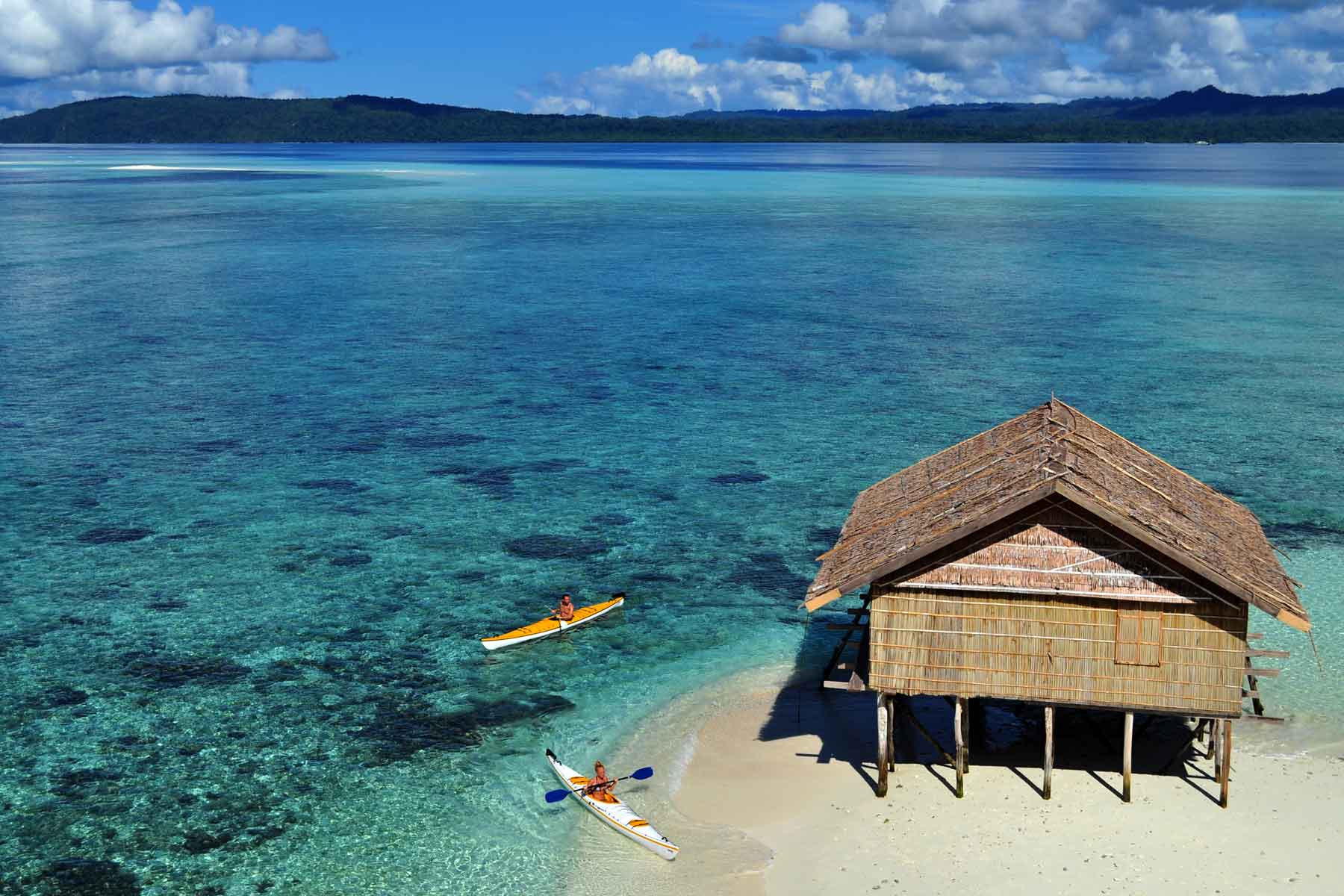
Kayaking in Raja Ampat is a wonderful way to explore its serene waters and hidden lagoons. You can paddle through calm bays, navigate around limestone karst formations, and discover secluded beaches that are only accessible by kayak. It’s also a fantastic way to get close to nature, with plenty of opportunities to see marine life in the shallow waters and mangroves.
As for birdwatching, it pairs beautifully with kayaking. While you paddle, you can spot various bird species along the coastlines and in the mangrove areas. The tranquil environment allows for great opportunities to observe birds like the Great-billed Kingfisher, various species of herons, and even the occasional hornbill.
Combining kayaking and birdwatching in Raja Ampat gives you a chance to experience the region from both land and water, and it really immerses you in the natural beauty and biodiversity of the area.
Birdwatching
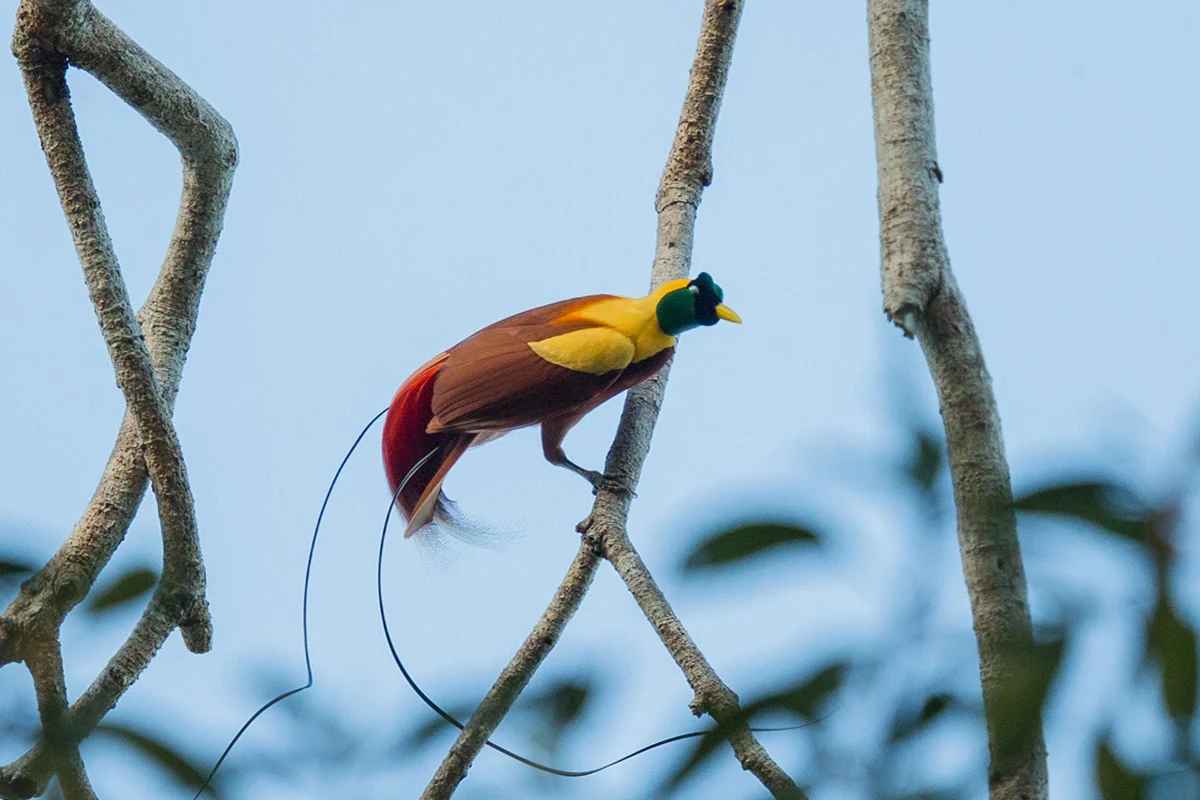
Some of the notable birds you can spot include the Wilson’s Bird-of-Paradise, known for its vibrant colors and elaborate courtship displays, and the Red Bird-of-Paradise, which is equally stunning. You can also find the Papuan Hornbill, the Red-cheeked Parrot, and many other unique species.
Raja Ampat is not only a paradise for divers and snorkelers, but it’s also a fantastic destination for birdwatching. The region is home to numerous endemic bird species, making it a hotspot for ornithologists.
Birdwatching in Raja Ampat often involves trekking through the islands’ forests and hills, particularly in places like Batanta and Waigeo. Early mornings are the best time to catch the birds in action, and guided tours can really enhance the experience, as local guides are incredibly knowledgeable.
Birdwatching in Raja Ampat often involves trekking through the islands’ forests and hills, particularly in places like Batanta and Waigeo. Early mornings are the best time to catch the birds in action, and guided tours can really enhance the experience, as local guides are incredibly knowledgeable.
Villages & Cultural Tours

Raja Ampat isn’t just about natural beauty; it also has a rich cultural heritage. The region is home to various indigenous communities, primarily the Papuan people, who have their own distinct languages, traditions, and customs.
You can experience traditional Papuan culture through dance, music, and art. For instance, you might witness the iconic “Cendrawasih” dance, which is inspired by the bird-of-paradise, and often performed during festivals and ceremonies.
You can also visit local villages, where you can interact with the people, learn about their way of life, and even participate in traditional activities like fishing or crafting. Many communities are also known for their intricate wood carvings and traditional weaving.
In addition, the local culinary scene is something to explore as well. You can taste traditional Papuan dishes, often featuring fresh seafood, root vegetables, and local spices.
Beach Relaxation
Raja Ampat is famous for its stunning, pristine beaches that are perfect for relaxation.
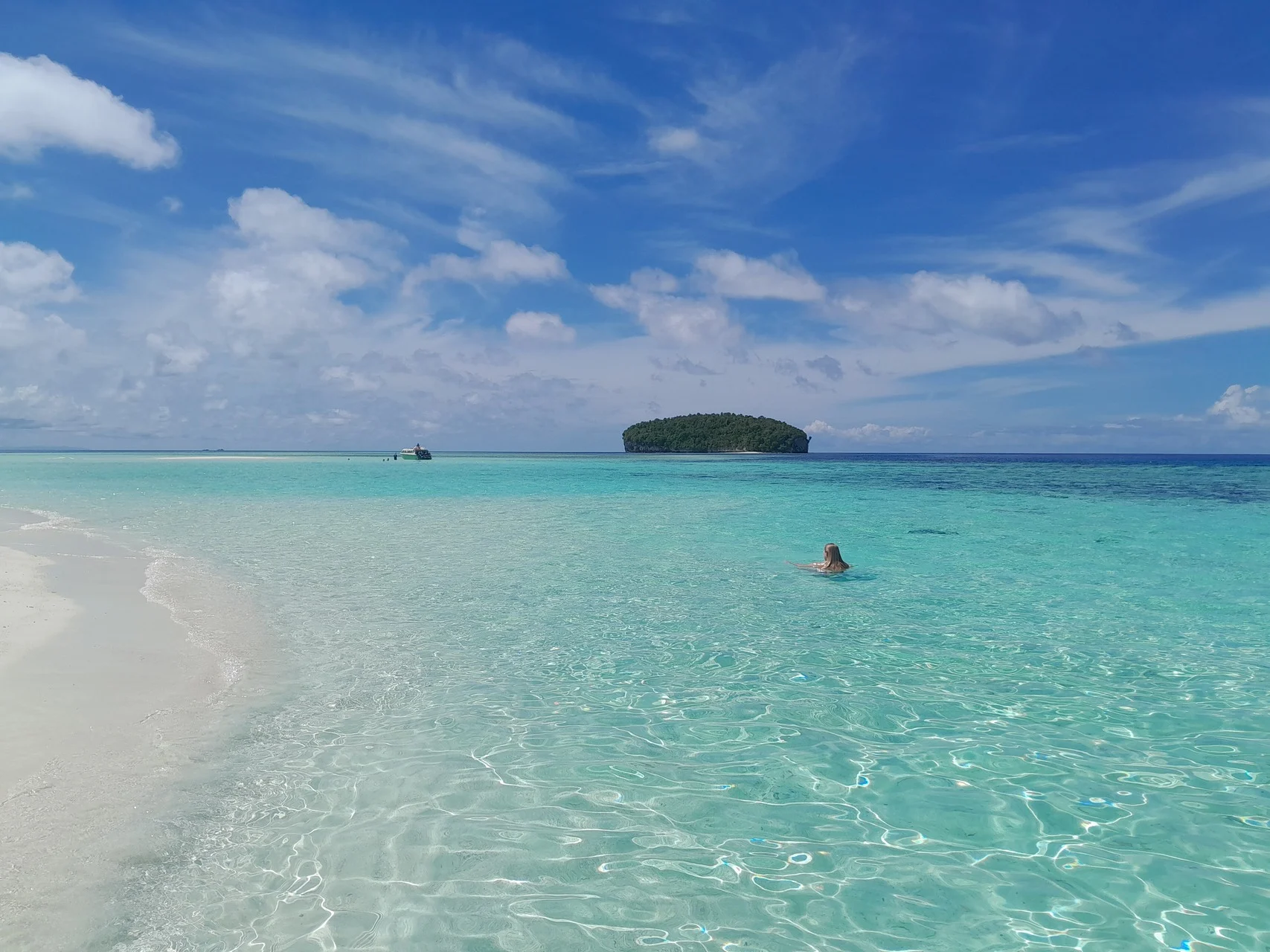
Many of the islands feature white sandy beaches bordered by crystal-clear turquoise waters. Some of the popular spots include Pasir Timbul, a stunning sandbank that appears at low tide, and the beaches of Wayag Island, known for their dramatic limestone formations.
These beaches are perfect for lounging, sunbathing, and simply soaking up the tranquil atmosphere. You can also enjoy beach picnics, swim in the calm waters, and watch breathtaking sunsets.
Additionally, many of the resorts and eco-lodges in Raja Ampat offer beachfront accommodations, so you can enjoy the soothing sounds of the ocean right from your bungalow. Some places even have private beaches, giving you that ultimate relaxation experience.
Hiking Trek
Hiking in Raja Ampat offers some incredible adventures, with lush jungles, rugged terrain, and amazing viewpoints. One of the most popular trekking destinations is Wayag Island, where you can hike up to the famous viewpoint. From there, you get breathtaking panoramic views of the karst islands and turquoise lagoons below.
Another great spot is in Batanta Island, where you can trek through dense forest to reach beautiful waterfalls. The hike is a bit challenging but rewarding, with the chance to spot exotic birds and wildlife along the way.
In addition, Misool Island offers some fantastic trekking routes that lead you to hidden lagoons, caves with ancient rock art, and panoramic viewpoints. The trails often pass through dense forests, and you can enjoy the natural beauty and tranquility of the island.
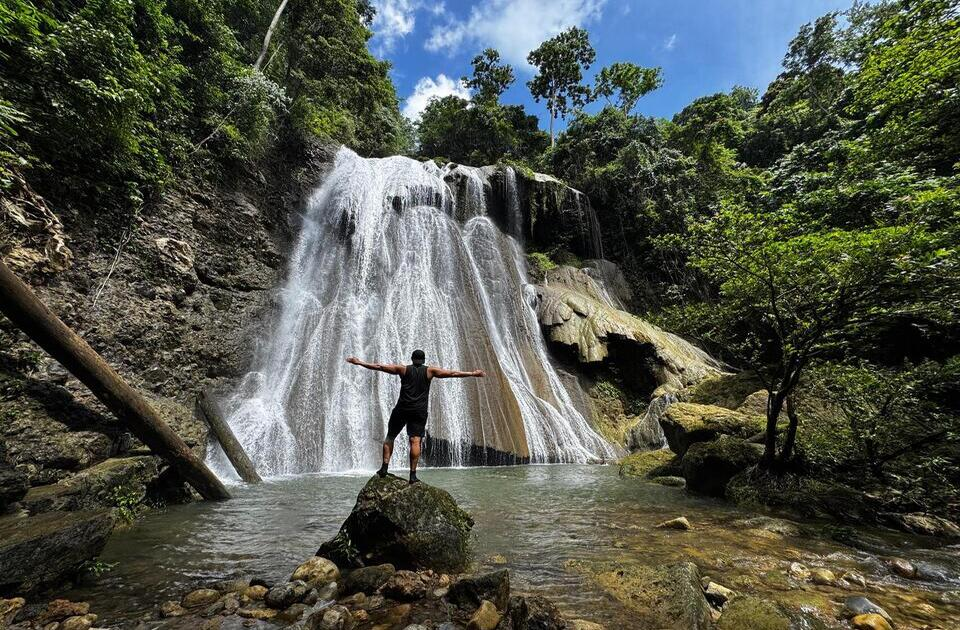
Overall, hiking in Raja Ampat provides a fantastic way to explore the islands beyond the beaches and reefs, and it’s a great way to connect with the region’s natural environment and wildlife.
Camping & Adventure
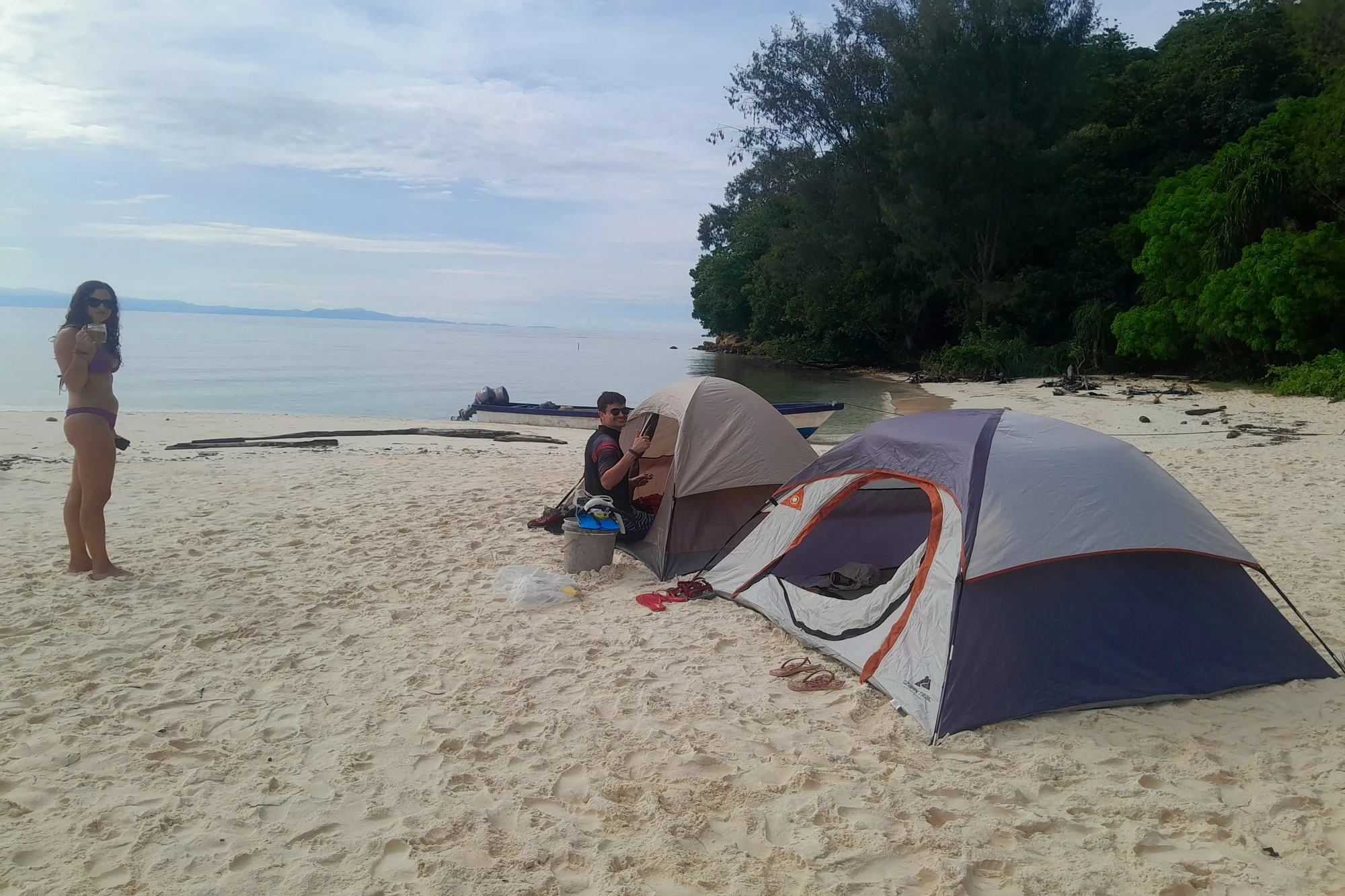
Camping in Raja Ampat is a fantastic way to immerse yourself in the natural beauty of the islands. There are several spots where you can set up camp, whether on remote beaches or in designated camping areas on islands like Wayag, Misool, or even Batanta.
Camping allows you to experience the islands in a very unique way. You can fall asleep under a canopy of stars, wake up to the sounds of the ocean, and enjoy the tranquility of the islands away from the more crowded areas.
Many camping tours are organized by local operators, and they typically provide the necessary gear like tents, sleeping bags, and sometimes even cooking equipment. You’ll have the opportunity to explore nearby snorkeling spots, go kayaking, and even do some light trekking around the island.
Overall, hiking in Raja Ampat provides a fantastic way to explore the islands beyond the beaches and reefs, and it’s a great way to connect with the region’s natural environment and wildlife.
It’s also a great way to connect with nature and local culture, as you might have the chance to interact with local communities and learn about their traditions firsthand.
Overall, camping in Raja Ampat is perfect for adventure seekers and nature lovers who want a deeper, more immersive experience.
Related Articles
Related
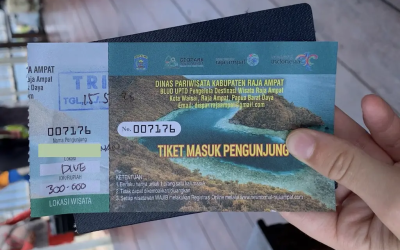
RAJA AMPAT : Marine Park Entry Card & Ticket
According to the Regulation of the Governor of West Papua Number 4 of 2019; concerning Tariffs for the Maintenance of Environmental Services BLUD UPTD KKP Raja Ampat Islands, visitors are required to pay for The Environmental Service Fees. The Environmental Service...
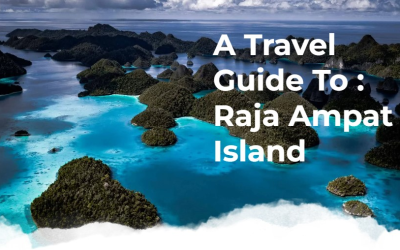
A Travel Guide To : Raja Ampat Island
RAJA AMPAT : The Last Paradise On EarthRaja Ampat is well know as The Last Paradise Island located in West Papua “ The World’s Second Largest Island in the world and has become one of the best marine biodiversity on this planet and not only that, Raja Ampat also well...
WAYAG ISLAND : Unpredictable Entering Permit by Locals
RAJA AMPAT : The Last Paradise On EarthRaja Ampat is well know as The Last Paradise Island located in West Papua “ The World’s Second Largest Island in the world and has become one of the best marine biodiversity on this planet and not only that, Raja Ampat also well...